Projects
Tabima Lab Research Overview
The Tabima Lab investigates the evolution, ecology, and genomics of non-Dikarya fungi, with a focus on the genus Basidiobolus and its interactions with amphibian hosts and environmental substrates. Our research integrates field ecology, experimental biology, microbial genomics, and bioinformatics to understand fungal adaptation, life cycle plasticity, and their broader implications for ecosystem and public health.
Featured
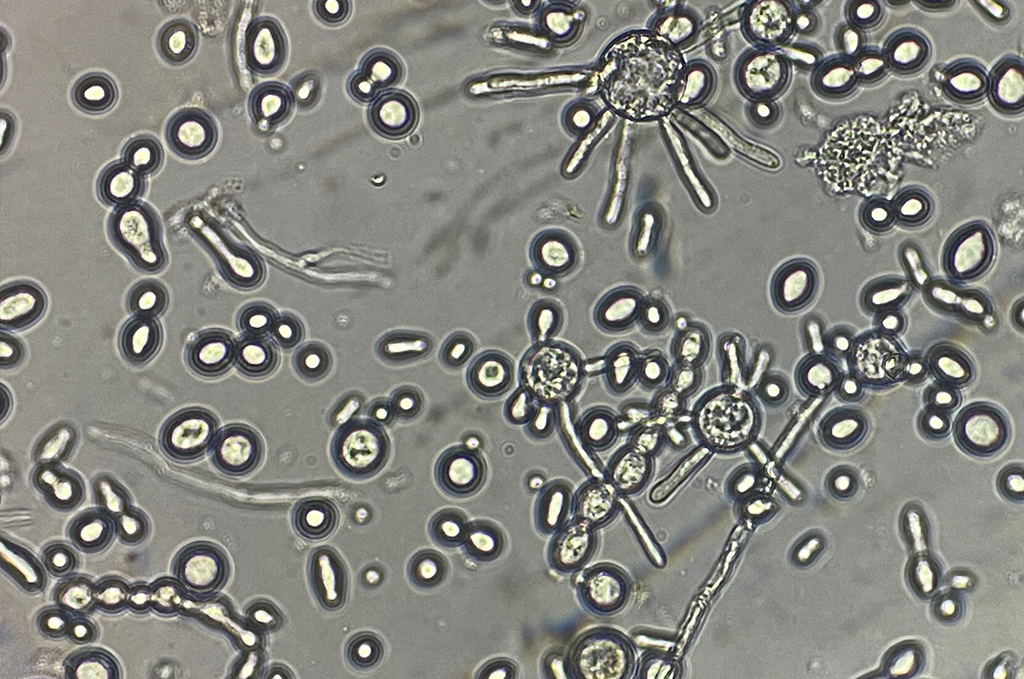
We study how Basidiobolus transitions among vertebrate guts, leaf litter, soil, insects, and aquatic sediments. Through whole-genome sequencing, comparative genomics, and secondary metabolite profiling, we test whether specialists and generalists differ in genome architecture and defense chemistry.
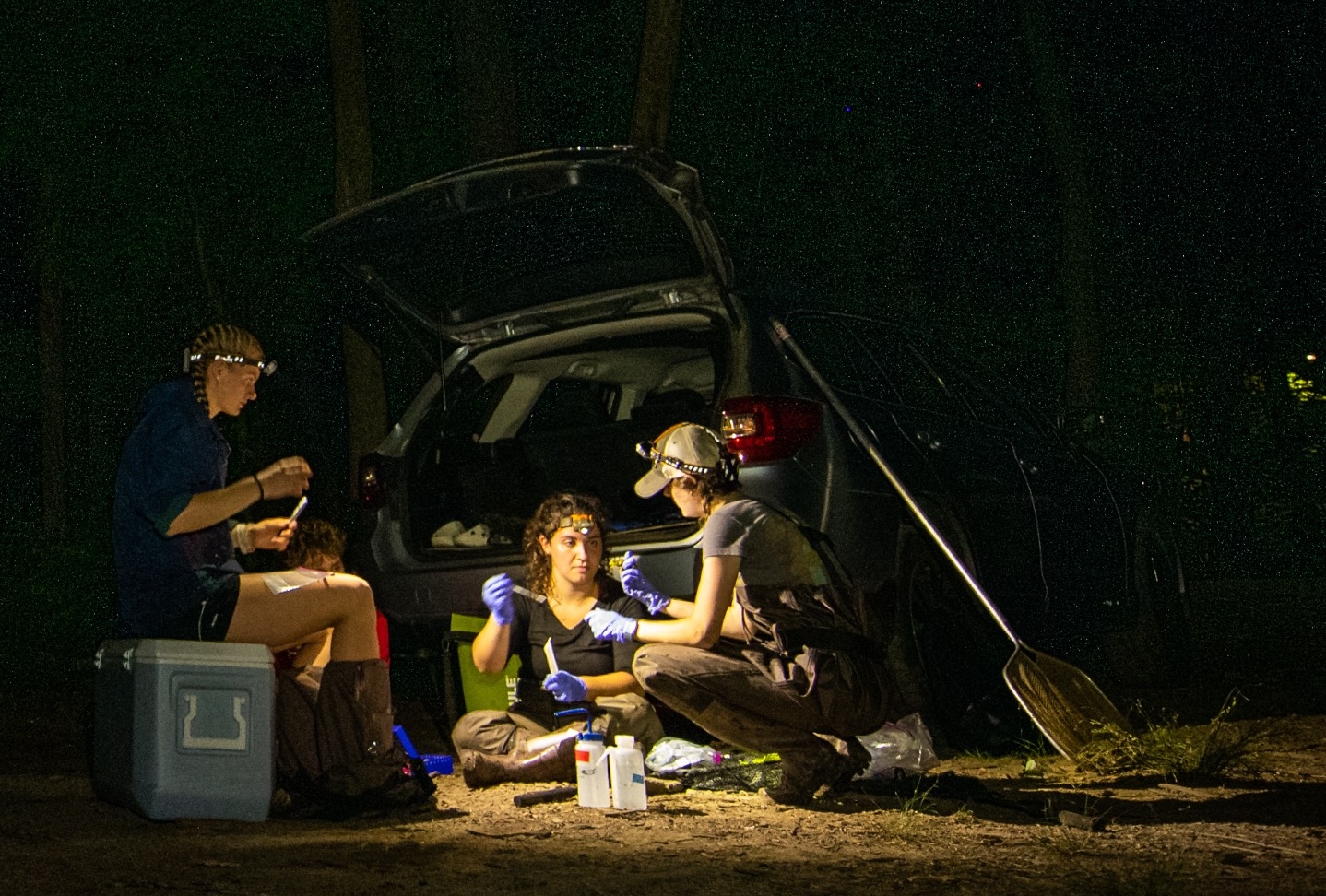
Our group examines intrinsic and induced resistance to common antifungals, including the regulation of biosynthetic gene clusters and the molecular defense responses activated under therapeutic challenge. We integrate transcriptomics, metabolomics, and functional assays in collaboration with partners at UW–Madison.
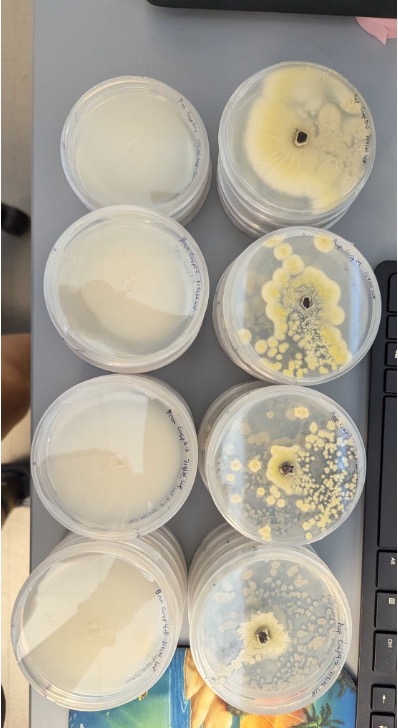
We characterize skin and gut fungal communities across amphibian species to determine how host ecology, urbanization, and infection pressure shape microbial assembly. Field studies in New England and the Pacific Northwest are paired with culture-based enrichment experiments to uncover novel fungal diversity and host-microbe dynamics.
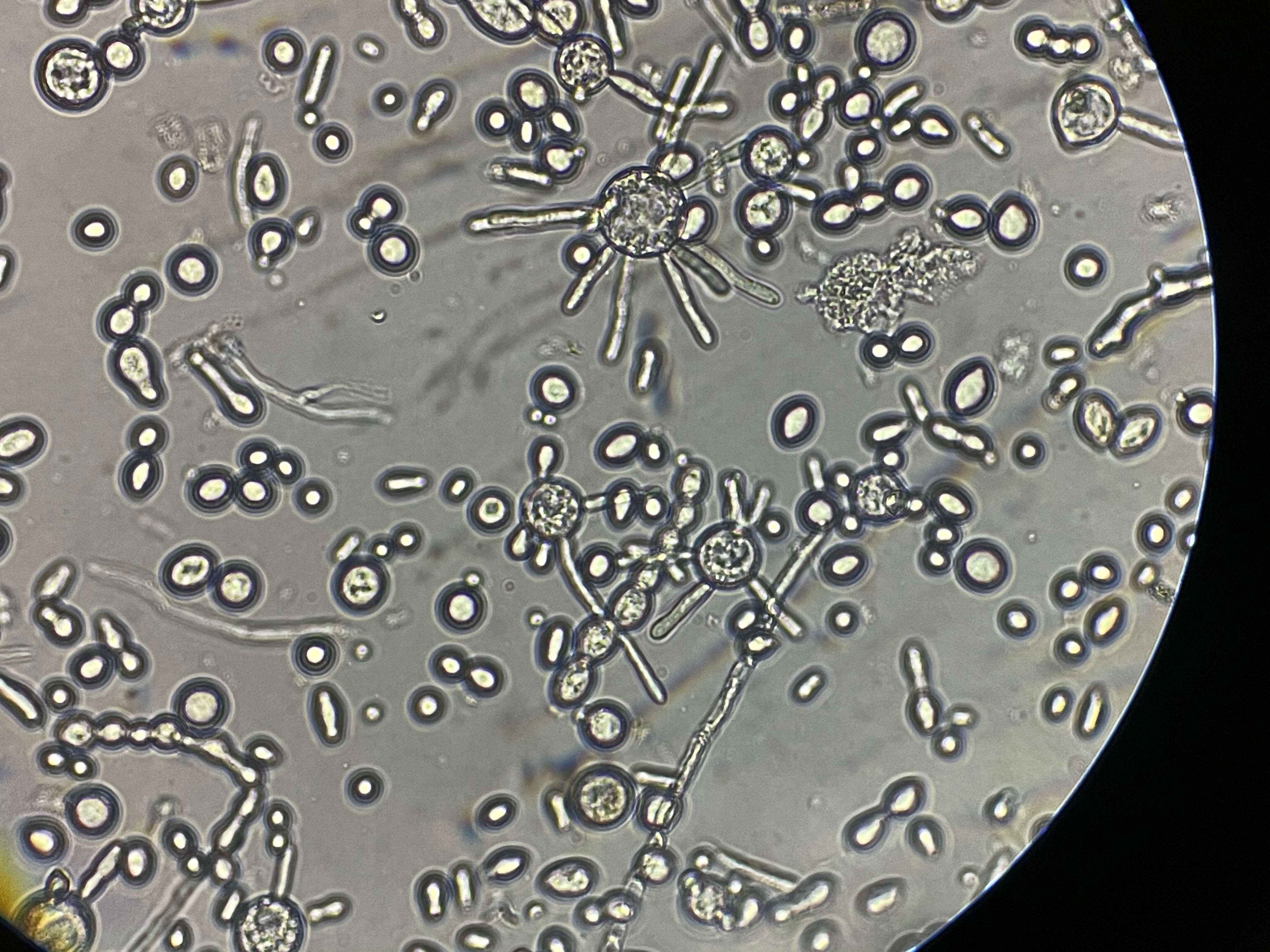
We investigate how land use influences microbial diversity in sediments, water, and wildlife along the Tatnuck Brook watershed and other regional systems. High-throughput sequencing and ecological modeling allow us to identify drivers of fungal community change with relevance for environmental monitoring.